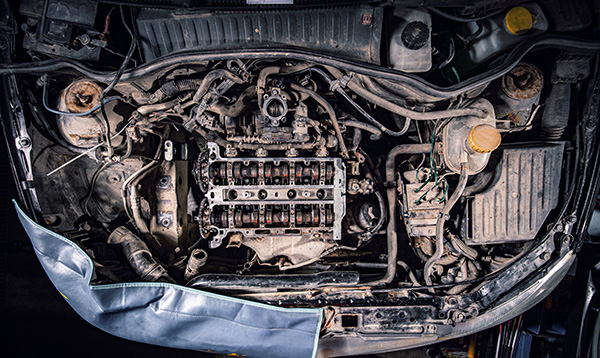
Skipping an oil change once or twice can feel harmless, especially if the engine sounds normal and there are no warning lights. The trouble is that oil problems build slowly, out of sight, while everything still seems fine from the driver’s seat. By the time you hear new noises or notice performance changes, the damage has usually been building for thousands of miles.
Treating oil changes as cheap insurance is one of the best ways to keep an engine healthy.
Why Your Engine Depends On Fresh Oil
Engine oil is more than a slippery liquid. It creates a protective film between moving parts, carries heat away from hot spots, and holds tiny metal particles and soot in suspension so the filter can catch them. Modern engines use tight clearances, variable valve timing, and sometimes turbochargers, all of which depend on clean oil at the right thickness.
As miles add up, the oil’s additives get used up fighting heat, wear, and contamination. Detergents that used to keep surfaces clean lose strength, and the oil loses some of its ability to resist breakdown. Old oil may still be present in the engine, but it is no longer doing its job as well as it did when it was fresh.
What Happens Inside The Engine When Oil Gets Old
Every time the engine runs, small amounts of fuel, moisture, and combustion byproducts mix with the oil. Short trips that never fully warm the engine are especially tough, because moisture does not have a chance to boil off. The result is oil that gradually thickens and darkens as it carries more contaminants.
Sludge can begin forming in areas where the oil sits hot for long periods, like in the valve covers or around timing components. Tiny oil passages that feed camshafts and variable valve timing systems can start to narrow. The oil pump has to work harder to move thick, dirty oil, and some parts may not get the full flow they need on cold starts. None of this happens overnight, but skipping changes speeds it up.
Early Warning Signs You Are Overdue For An Oil Change
You usually get a few hints before oil-related problems become serious. Some useful clues to watch for are:
- Oil on the dipstick that looks very dark, feels thick, or smells strongly of fuel
- A louder tick or light tapping noise from the top of the engine on cold start
- An oil change reminder or maintenance light that has been on for a long time
- Slight roughness at idle or a feeling that the engine is not as smooth as it used to be
- Higher engine temperature than normal in heavy traffic or on long hills
If several of these show up and you know the last service was a while ago, it is a good time to get the oil and filter changed instead of waiting for a bigger symptom.
Real Problems Caused By Skipping Oil Changes
Letting oil go far past its interval does not always cause an immediate breakdown, but it raises the risk of several expensive issues. Thick sludge can block oil galleries and cause certain parts of the engine to starve for lubrication. Timing chains and tensioners can wear out early when oil is dirty or low, leading to rattles, poor performance, and check engine lights.
Piston rings that live in dirty oil are more likely to stick in their grooves, which can increase oil consumption and reduce compression. On turbocharged engines, overheated or contaminated oil can damage the small bearings that allow the turbo to spin freely. In the worst cases, bearings on the crankshaft and connecting rods wear enough that you start to hear heavy knocking, which is often the beginning of the end for that engine.
Owner Habits That Quietly Damage Engine Oil
Even if the mileage on the sticker looks reasonable, some driving patterns are tougher on oil than others. Lots of short trips, where the engine never reaches full operating temperature, leave more moisture and fuel in the oil. Long periods of idling in traffic or with the car parked and running also stress the oil without adding many miles.
Towing, mountain driving, and heavy loads create extra heat that breaks oil down faster, especially if the wrong viscosity or a low-quality product is used. Ignoring small oil leaks can let the level drop between changes, so the remaining oil works harder and runs hotter. These habits do not ruin an engine right away, but they make skipped oil changes much more costly.
How Often Should You Really Change Your Oil
The best interval depends on your engine, the type of oil, and how you drive, which is why the numbers in the manual often include separate schedules. Many modern vehicles running quality synthetic oil are comfortable in the 5,000 to 10,000-mile range under mixed driving. If most of your trips are short, you sit in city traffic often, or your engine is known to run hot, leaning toward the shorter end is usually safer.
Checking the oil level between services is just as important as the mileage itself. Even fresh oil cannot protect properly if there is not enough of it in the engine. We like to see drivers check the dipstick regularly and talk with their technician about how they use the car, so the oil change plan matches real life instead of just the most optimistic number in the book.
Get Oil Change Service in Seattle, WA with West Seattle Autoworks
We can match the correct oil and filter to your engine, inspect for leaks or sludge, and set up an oil change schedule that fits how you actually drive. We have seen what skipped services do to engines, and we would rather help you prevent those problems with simple, timely maintenance.
Call West Seattle Autoworks in Seattle, WA to schedule an oil change and keep your engine protected for the miles ahead.